
The gear arrives before the crew needs it.
We buy, track, expedite and receive the equipment that drives the critical path, from switchgear and generators to racks and owner-furnished hardware, so crews never wait on a truck.
Why it matters.
Lead times set the schedule
Transformers, switchgear, generators, UPS and inverters can take longer to arrive than the building takes to build. One late order can move the energization date.
Owner vendors are on the critical path too
Racks, network gear, AV systems and security hardware bought by the owner still have to land, get installed and get tested on time. Someone has to own the dates.
A missed delivery costs twice
When equipment misses its date, crews resequence, cranes sit and overtime follows. The cost lands far beyond the item itself.
How we keep it moving.
- 01
One procurement log
Every critical item, ours and the owner’s, is tracked from submittal and release to fabrication, factory test, shipment and set date.
- 02
Early release
Major electrical and mechanical equipment is released as soon as the design allows, often ahead of construction documents, to lock in production slots.
- 03
Factory witness testing
Our team attends factory acceptance tests for critical gear, so problems are found at the plant, not at start-up.
- 04
Receiving and protection
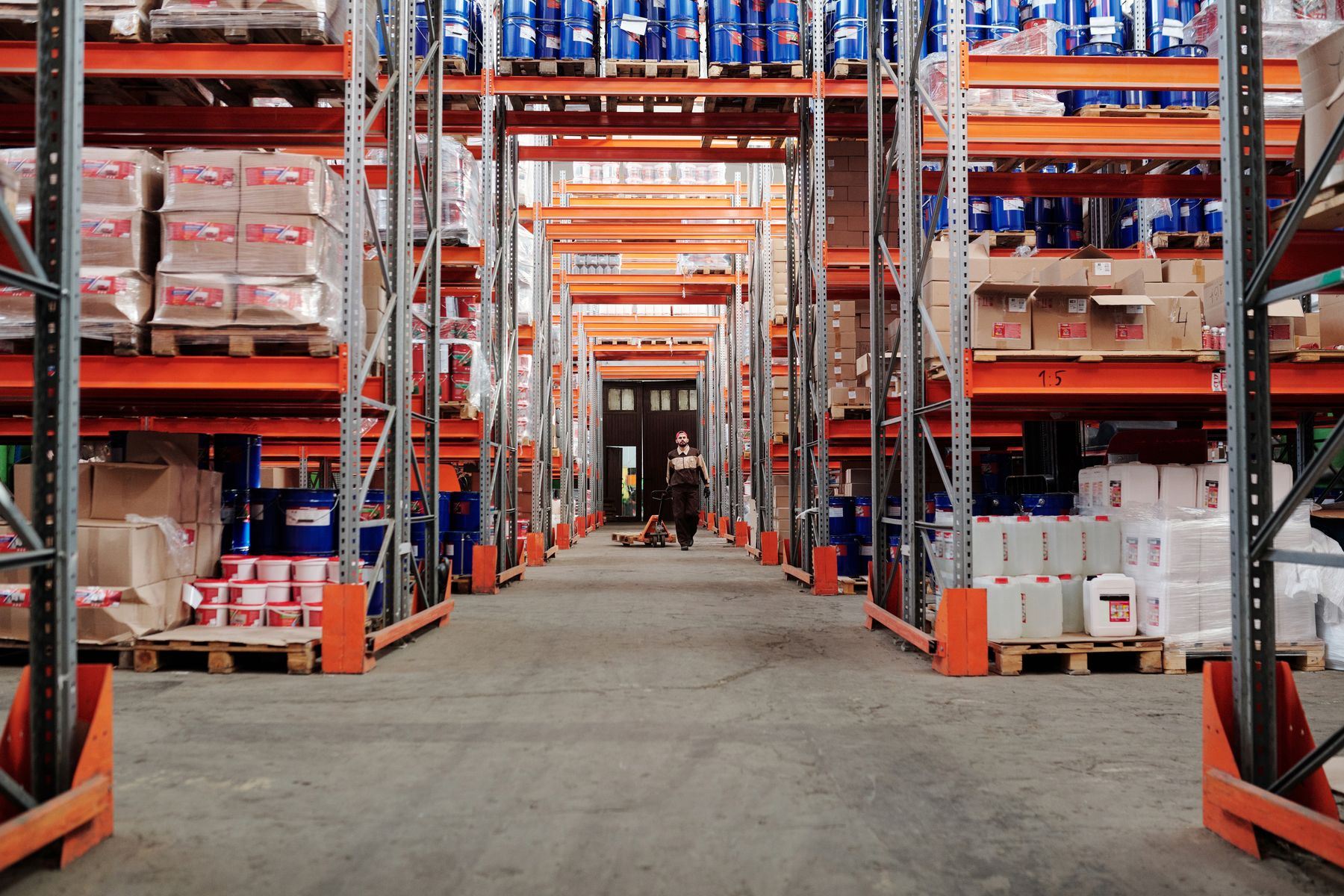
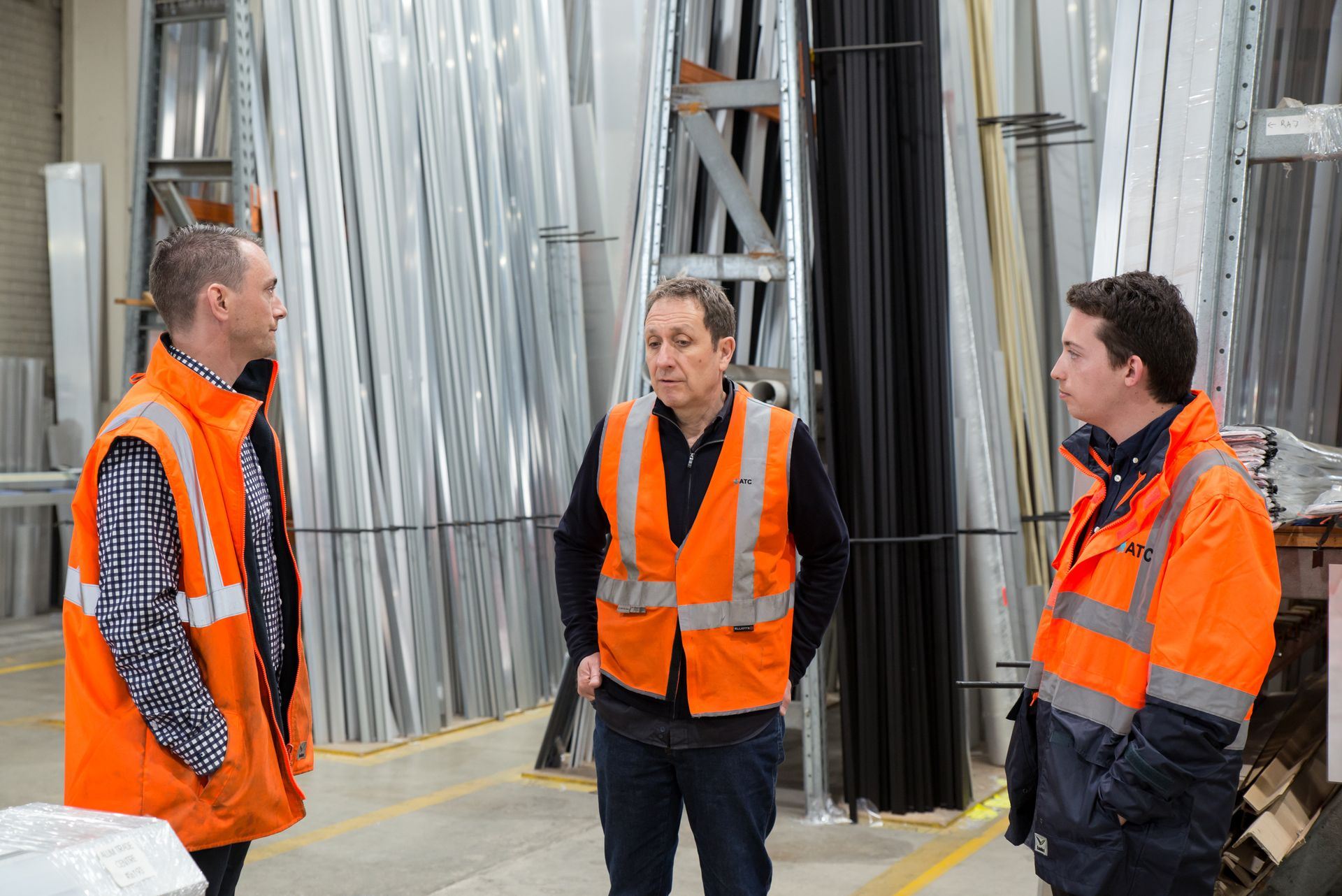
Equipment is inspected on arrival, logged, stored clean and dry, and protected in place until it is energized.
- 05
Domestic content and supplier diversity
Where funding rules apply, we collect certifications at bid. We also size packages so local and small businesses can compete.
What you receive.
Every engagement is scoped to the project. These are the core outputs owners can expect.
Status of every critical item from submittal to delivery, updated with the schedule.
Order dates for equipment and materials, tied to design milestones and install dates.
Witnessed test results and punch items for critical equipment before it ships.
Delivery, install and test dates for every owner-furnished system, in the same schedule as ours.
Laydown, staging and just-in-time delivery windows that keep the site clear and the gear protected.

Six hundred megawatt-hours, delivered in sequence.
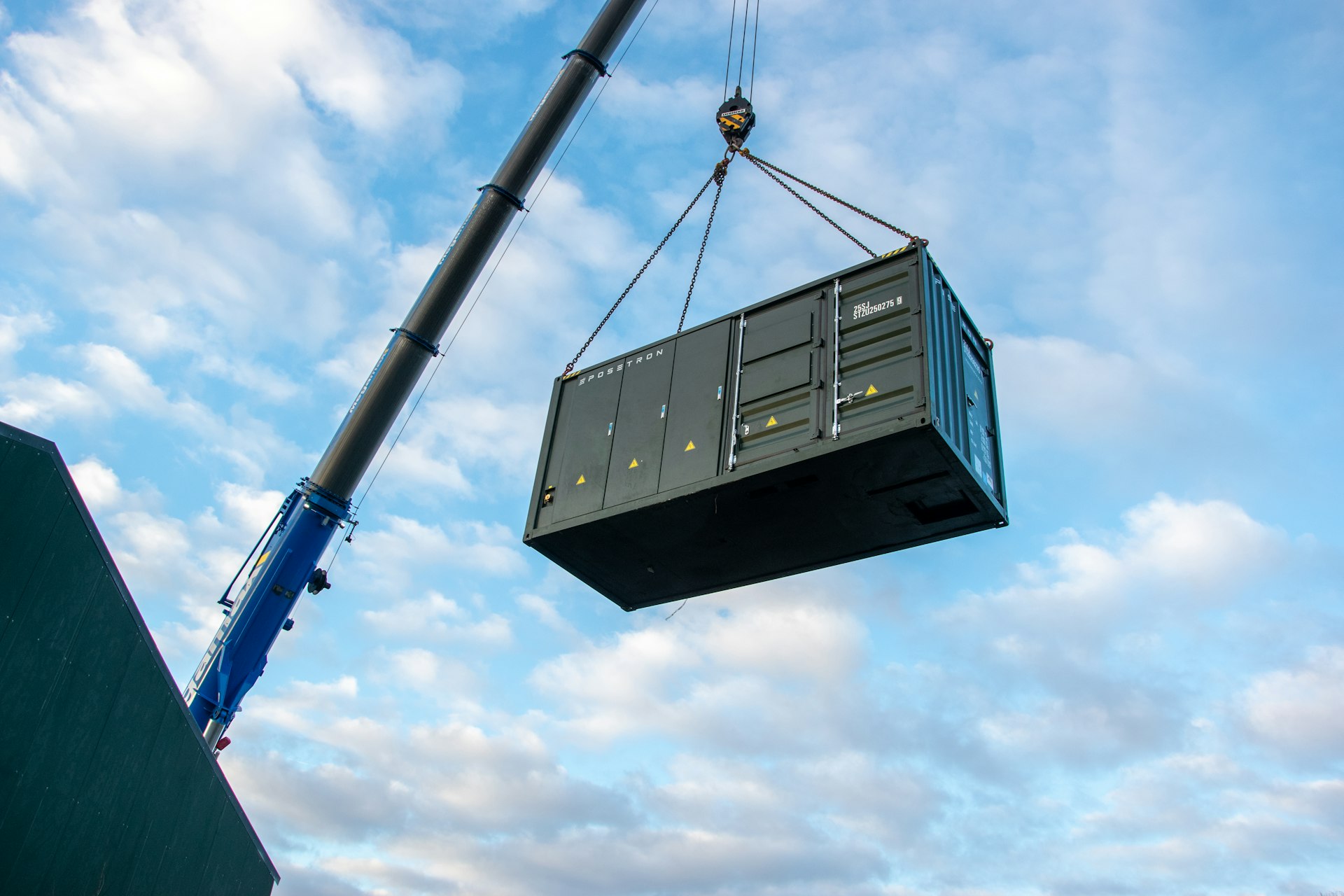
Battery enclosures, inverters, the main power transformer and substation gear all came from different factories on different timelines. We released the transformer first, witnessed factory tests on the critical electrical equipment and sequenced battery deliveries to the pace of foundation and cable work, so the grid interconnection energized on its date.
- 150 MW
- Storage capacity
- 600 MWh
- Four hours of storage
- 1
- Interconnection energized on date


Questions owners ask us.
How early should long-lead equipment be ordered?
As soon as the design is firm enough to specify it. We identify long-lead items in preconstruction and build their release dates into the master schedule.
Can the owner buy equipment directly?
Yes. Owner-furnished equipment can save markup. We track it in the same log, coordinate deliveries, handle receiving and plan installation and testing around it.
Can you manage domestic content requirements?
Yes. On funded work we confirm which requirements apply, screen suppliers at bid and collect the certifications the funding agency expects.
What happens when a factory slips?
We hear about it early because we are in contact every week. We resequence the work around the late item and show you the options before the slip reaches the field.

Talk to the people who will build it.
Share the project, the site and the date that matters. A senior builder will come back to you within one business day.