Everyone home. Every system proven.
In mission-critical work, safety and quality are the same discipline: plan the task, protect what is live, check the first piece and test everything before anyone relies on it.
Zero harm is a daily decision.
Nobody on our sites gets hurt, and nothing the owner depends on goes down because of us. That is the standard, and it is chosen again every morning.
Plan the work
Hazards and live-system risks are found on paper, in the pre-task plan and the MOP, long before anyone is exposed to them.
Reset when it changes
A vendor arrives early, a breaker reads differently, a crew is short. When conditions change, the plan is reset before work goes on.
Learn out loud
Near misses are reported, shared across sites within days and turned into changes to how we work.
If it does not look right, stop. No window is worth an injury or an outage.
Superintendent, ScottHarry
Every person on a ScottHarry site has the authority and the duty to stop work they believe is unsafe or puts a live system at risk. Work restarts once the hazard is controlled and the crew agrees the plan is sound. We thank the person who stopped it, every time.
How a shift starts.
The same five steps in a data hall, an occupied trading floor or a 911 center that never closes.
Pre-task plan
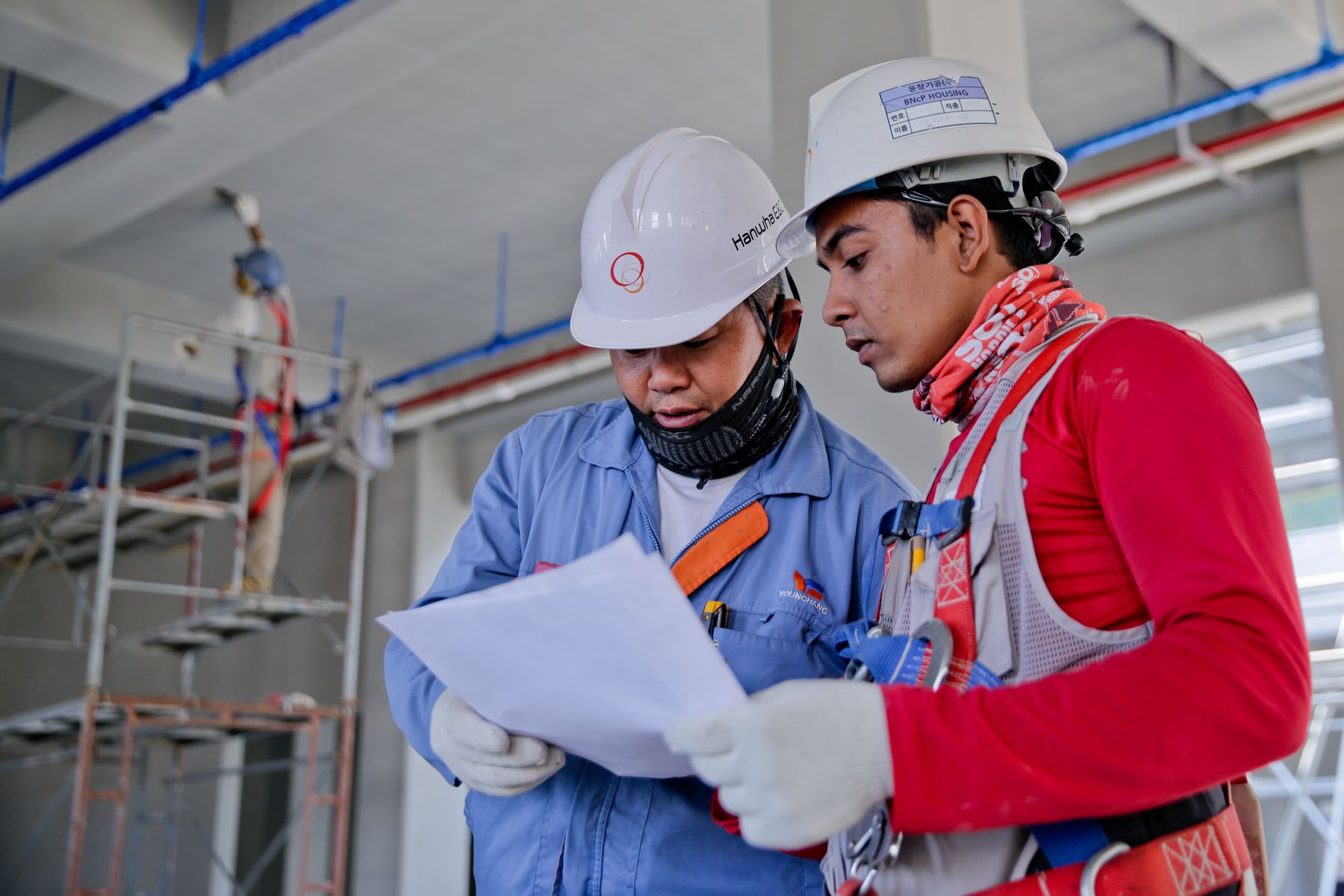
Each crew walks the task, names the hazards, confirms lockout points and writes down the controls before a tool leaves the gang box.
Trade huddle
Electrical, mechanical, low-voltage and vendor crews share the day’s plan. Overlaps in the ceiling and the white space get sorted here.
Permits and live-system checks
Energized work, hot work, confined space and critical lifts are permitted and posted. Any work near live systems is confirmed with the owner’s operations team.
First-work inspection
The first tray run, the first rack, the first termination. Inspected against the drawings and the spec before the crew moves on.
Close out
Housekeeping, cable protection, a check that every live space is back as we found it and a note on what tomorrow’s plan must cover.
Installed to spec. Proven under load.

- QC-1
A quality control plan for every job
Written before mobilization: who inspects what, against which standard, at which hold point, and who signs it off.
- QC-2
Preinstallation meetings
Designer, trade partner, integrator, superintendent and quality lead review the submittal, sequence and tie-ins before work starts.
- QC-3
Mockups and first-article checks
Rack layouts, containment, cable management and labeling are built and approved once, so the standard is set in the field.
- QC-4
Torque, test and label
Terminations are torqued and marked, copper and fiber are tested and certified, and every cable and device is labeled to the owner’s standard.
- QC-5
Level 1 to 5 commissioning
Factory witness tests, installation checks, start-up, functional tests and integrated systems testing, scheduled on the critical path.
- QC-6
A turnover with evidence
Test reports, as-builts, O&M manuals and training records delivered with the keys. Handover is a walk-through, not a repair project.

Zero unplanned downtime.
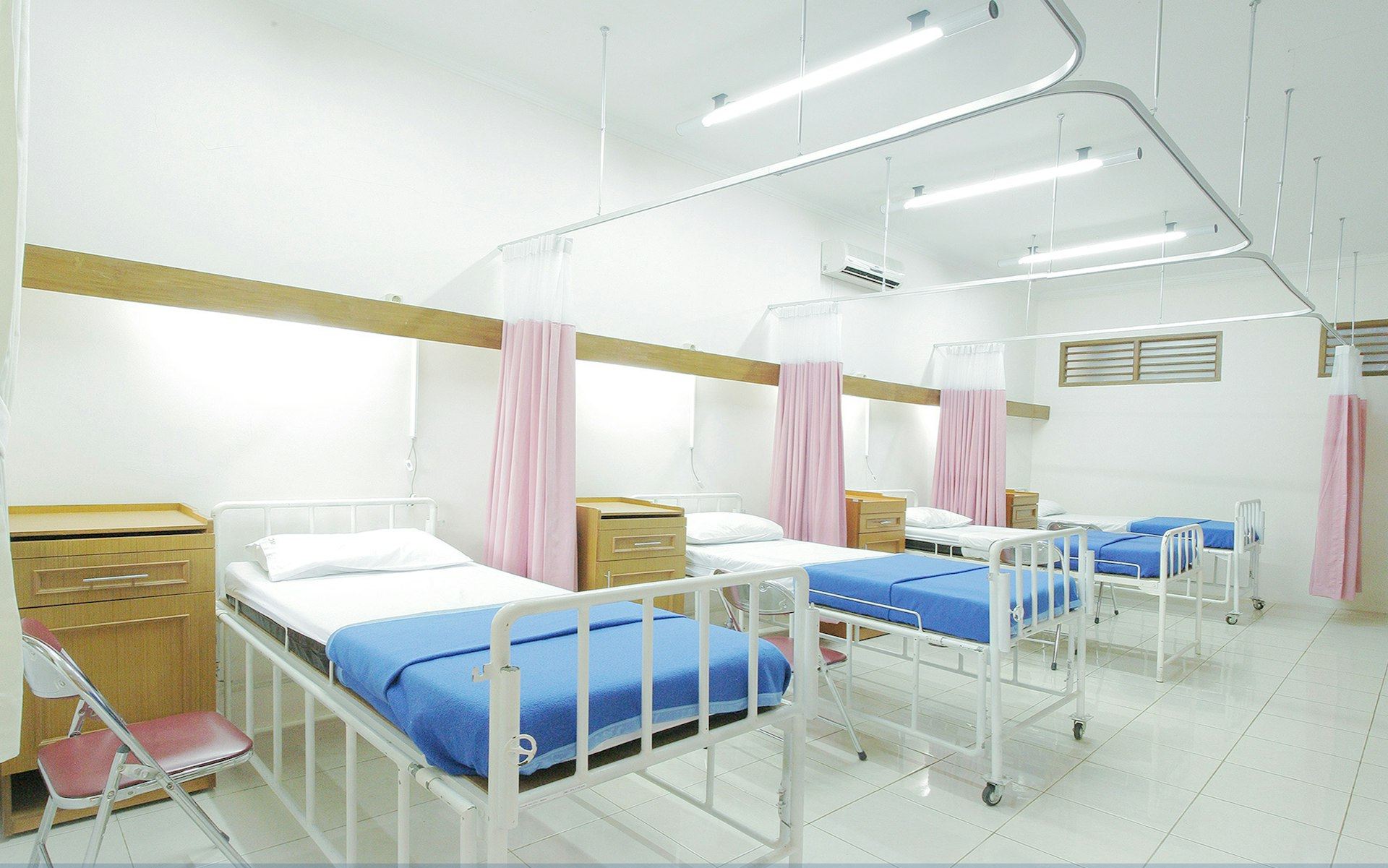
A new imaging and clinical data wing tied into a hospital that never closed. Every tie-in to live power, medical gas and the data network ran on a written MOP, coordinated with the hospital’s own teams, and the hardened server room was commissioned before the first patient study crossed it.
- 118,000 SF
- New wing
- 2024
- Completed
- CM at-risk
- Delivery

Skills that travel with people.
Training is how a standard survives a busy week. We invest in it from a worker’s first day to a superintendent’s first data hall.
- Site orientationFor every worker, vendor and visitor, covering the site’s hazards, live systems, emergency plan and stop-work authority.
- Electrical safetyEnergized-work rules, lockout and tagout, and arc-flash awareness for everyone who works near live equipment.
- Foreman and superintendent developmentWriting and running a MOP, leading a pre-task plan, running a huddle and coaching rather than policing.
- Commissioning in the fieldReading a Cx script, holding a hold point and documenting a functional test so the evidence stands up.
- Refreshers when the work changesNew equipment, new methods or a lesson from another site means new training, not a memo.
One standard for every firm on site.
Most hands on a technical job belong to trade partners and owner vendors. Our standards only mean something if they apply to all of them.
We review each firm’s safety program, energized-work training and past performance before they bid. The safest qualified partner wins more often than the cheapest.
Every trade partner and owner vendor submits a plan for its scope on this site, reviewed by our safety lead and the superintendent.
Nobody starts work on a ScottHarry site without orientation on its hazards, its live systems and its stop-work rules, whatever company is on their hard hat.
Electrical work, rigging, fall protection and confined space each have a named qualified or competent person on site whenever the work is active.
Our superintendents and partner foremen walk the job together. Findings are logged, assigned and closed, with no blame for reporting.
Partners and vendors work to the same quality control plan, hold points and commissioning scripts as our own team. One standard on one site.
Safety and quality, answered.
Who can stop work on a ScottHarry site?
Anyone. A first-week apprentice, a vendor technician, a visitor, an owner representative. If something looks wrong, they can stop the work and nobody will be penalized for it.
How do you work around live systems?
With a written method of procedure for every shutdown or tie-in, reviewed with the owner’s operations team, rehearsed where it matters and backed by a rollback plan. If the MOP is not signed, the work does not start.
Do you publish safety statistics on the website?
We share our safety records directly with owners during qualification, alongside the documents that back them up. A number on a web page says very little about how a specific team will run your site.
When does quality control start?
In preconstruction. Constructability reviews, submittal reviews and the commissioning plan are done before the first trade mobilizes, so the field team inherits a plan instead of writing one under pressure.
What happens when a defect or failed test is found?
It is logged, photographed, assigned and tracked to closure, and the test is repeated until it passes. If it points to a process problem, the process changes on every site, not just this one.
A safe site is a fast site.
Talk to us about how we plan safety, quality and commissioning into your project from the first estimate to the last test report.