Our purpose is one sentence long. Our five values describe what you will see our people do in the data hall, in the shutdown meeting and across the table when something goes wrong.
A dispatch center that takes its first 911 call on schedule. A data hall that carries load the morning it opens. A trading floor that rings the bell after an overnight cutover. For technology-dependent owners, the building is only as good as the systems inside it. Our job is to hand over both, already proven.
Our values
Five values. Visible on site.
A value only counts if you can watch it happen at 6 a.m. on a Tuesday. Here is what each one looks like in the field.
01
Protect people and operations
Live switchgear, occupied floors, running data halls. We plan every task so nobody gets hurt and nothing the owner depends on goes down.
Energized work is permitted, planned and supervised, or it does not happen.
Every shutdown has a written MOP, a rollback plan and a rehearsal.
Anyone on site can stop work, and they are thanked for it.
02
Be in the field
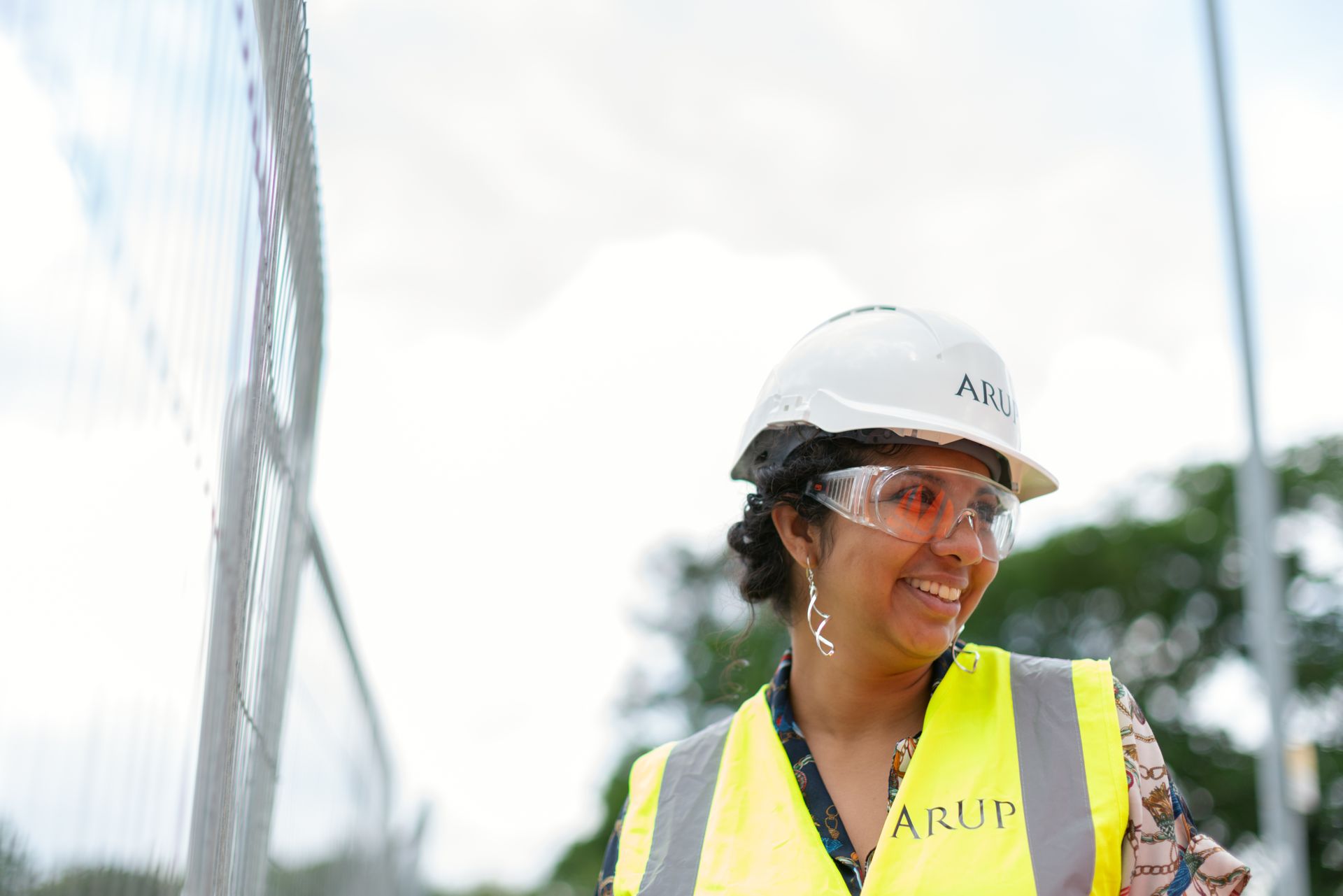
You cannot lead a technical build from a conference room. Our leaders are on site, where the problems actually show up.
Superintendents and project leads walk the work every shift.
Constructability questions get answered at the rack, not by email.
Our founder visits active sites, not just kickoff meetings.
03
Tell it straight
A late transformer, a failed test, a vendor who missed a window. Owners hear it from us first, with options attached.
Schedule risk is raised the week we see it.
Every change comes with the reasoning and the backup.
If we got something wrong, we say so before anyone asks.
04
Coordinate everything
Most failures on technical jobs happen at the seams between trades. We treat every interface as part of our scope.
MEP, low-voltage, AV, security and owner vendors work from one model and one pull plan.
Every open RFI and submittal has a named owner and a due date.
Owner-furnished equipment is tracked like our own.
05
Prove it works
Installed is not finished. A system is done when it has been tested, commissioned and documented under real conditions.
Commissioning is on the critical path from day one of the schedule.
Integrated systems tests run every system together, under load.
Operators are trained before the keys change hands.
Values under load
Where values get tested
The real test is the night of the cutover.
Values are easy in week one. They get tested at 2 a.m. when a breaker will not rack in, a vendor is two hours late and the owner’s operations team is watching the clock.
That is when our teams fall back on the same habits.
Follow the MOP or roll back. We never improvise on live systems to save a window.
Call the owner first. Bad news travels from us, in real time, with a recovery plan.
Never trade safety for schedule. If the fast way carries risk, we find another way.
Values, in practice.
How do new team members learn the values?
Beside the people who live them. Onboarding covers the basics, but the real lesson is watching a superintendent cancel a shutdown because the MOP was not signed, or a project lead call an owner with bad news before it reaches a report.
What happens when a value conflicts with the schedule?
The value wins. If holding a date would mean working a live system without a plan or hiding a problem, we say so and build a recovery plan with the owner that does not.
Do the values apply to trade partners and owner vendors?
Yes. Every firm on our site works to the same safety rules, coordination process and test standard. In return, we plan their access, pay on time and treat their crews like our own.
How will an owner see the values in our work?
In weekly reports that match what is on site, in shutdowns that go to plan, in commissioning reports with real data, and in a punch list that is short because the work was right the first time.