
Critical infrastructure, built by neighbors.
The facilities we build keep 911 calls connected, hospitals running and local economies online. We build them with local people and local firms, and we behave like guests on the street outside the fence.
Five promises we make in every town.
These go into our project plans, our bid packages and the way our superintendents run their sites. They are commitments, not campaigns.
- Hire locally first, for craft, technician and staff roles.
- Size bid packages so local electrical, low-voltage and specialty firms can compete.
- Train people into technical careers, not just into one job.
- Tell neighbors about deliveries, generator tests and night work before they happen.
- Leave every community with infrastructure it can rely on.
Technical careers that stay close to home.

- LH-1
Local hiring plans
Before mobilizing, we set out how craft, technician and staff roles will be filled from the surrounding area, and who on the team owns that plan.
- LH-2
Partners on the ground
We work with workforce boards, union halls, community colleges and technical programs to reach people who are ready to work and ready to learn.
- LH-3
Clear entry points
Laborer, apprentice electrician, cable technician, field engineer and commissioning assistant roles are posted where local job seekers actually look.
- LH-4
Support to stay
New hires get a mentor on site, the right gear on day one and a path to the next certification in their trade.
Room at the table for local firms.
Local and small business participation is planned in preconstruction, while there is still time to shape the packages, not reported after the fact.
Right-sized bid packages
We split scopes where it makes sense so local and small firms can bid work they can staff, insure and finish well.
ExploreOutreach before bids
Scope walk-throughs early in preconstruction, so local firms hear about cable, security and controls packages before the bid date.
Mentoring for emerging firms
Rising Trade Partners pairs emerging low-voltage, AV and controls firms with our estimators, project leads and safety team.
ExploreHelp with the paperwork
Plain guidance on prequalification, insurance, safety plans, test documentation and pay applications, so good firms are not screened out by forms.
Fair, predictable payment
Clear pay application schedules and quick answers when something is held, because cash flow decides whether a small firm survives a project.
Local suppliers
Rentals, fencing, site services, cable and consumables are sourced nearby wherever price, quality and schedule allow.
Explore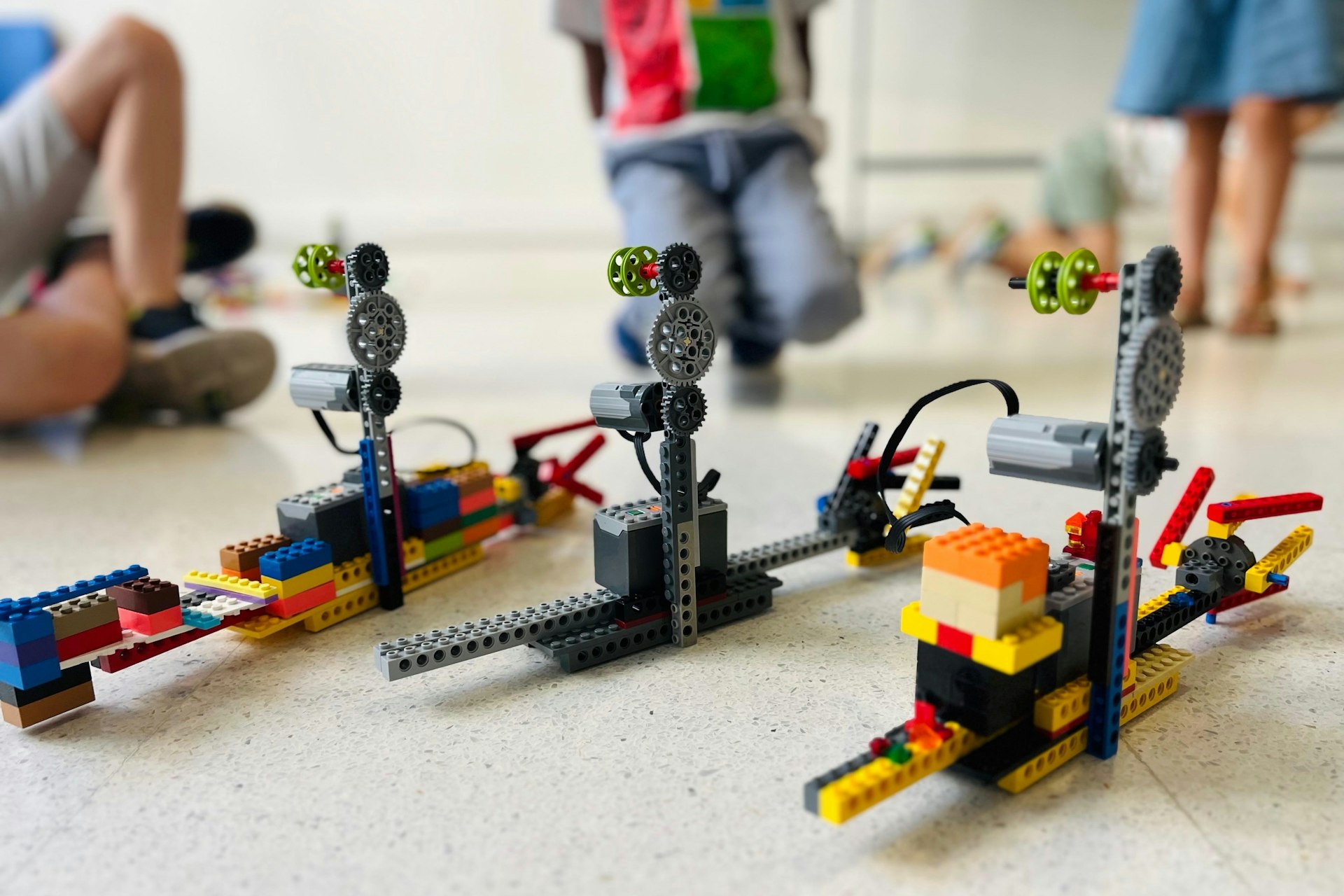
Wired for the next generation.
We built a connected middle and high school with robotics labs, makerspaces and a network that carried every classroom from the first bell. Students saw the work up close, and the questions they asked about fiber, power and controls are exactly why we open our sites to schools.
- 88,000 SF
- Academy
- 2023
- Completed
- CM at-risk
- Delivery
The next generation of technical builders.
The industry needs more electricians, cable technicians and commissioning agents than it is training. We help close that gap.
Sites that teach
Students and apprentices walk data halls, control rooms and technical interiors with our teams, and see how power, cooling and networks come together.
Skills in the classroom
Engineers and superintendents visit schools and colleges to explain the work, from reading a one-line diagram to running a functional test.
Help after a storm
When disaster hits a community we work in, our people help restore safe access and critical systems alongside local responders.
Neighbors hear it from us first.
A construction site is a guest in a neighborhood. These are the ways we keep the people next door informed and able to reach us.
Site notices
Signs at every gate with the project name, work hours, a contact number and what the facility will do for the area.
A project hotline
A number answered by someone on the project team, for noise, dust, parking or anything that cannot wait.
Construction updates
Email or printed updates on the work ahead: equipment deliveries, crane picks, road closures and utility shutdowns.
Generator and load tests
Advance notice of generator runs, load bank tests and night work, with the expected times and duration.
Community meetings
Open sessions before major phases, with the superintendent in the room to answer questions directly.
A tidy, respectful site
Clean streets, managed truck routes, controlled lighting and crews who treat the neighborhood like their own.
Living next to a jobsite.
Who do I call about noise, dust or a blocked driveway?
Call the project hotline on the sign at the site gate. It reaches a member of the project team, and we aim to respond the same day.
Why will I hear generators running?
Backup generators are tested before a facility goes live, and some tests run under load for several hours. We post the dates and times in advance and keep tests inside permitted hours wherever we can.
How can a local business bid on work?
Register as a trade partner or supplier through our Partner With Us pages, and ask the project team about upcoming scope walks and bid packages.
How do I find out about jobs on a project near me?
Ask at the site office or through the project hotline. We also post openings with local workforce partners and on our careers page.
Can our school or nonprofit work with a project team?
Often, yes. Site tours, career talks and classroom visits are arranged by each project team. Reach out through our contact page and tell us what you have in mind.
Build it where you live.
Local firms, workforce partners and community groups: tell us who you are and what you do. We will connect you with the project team.