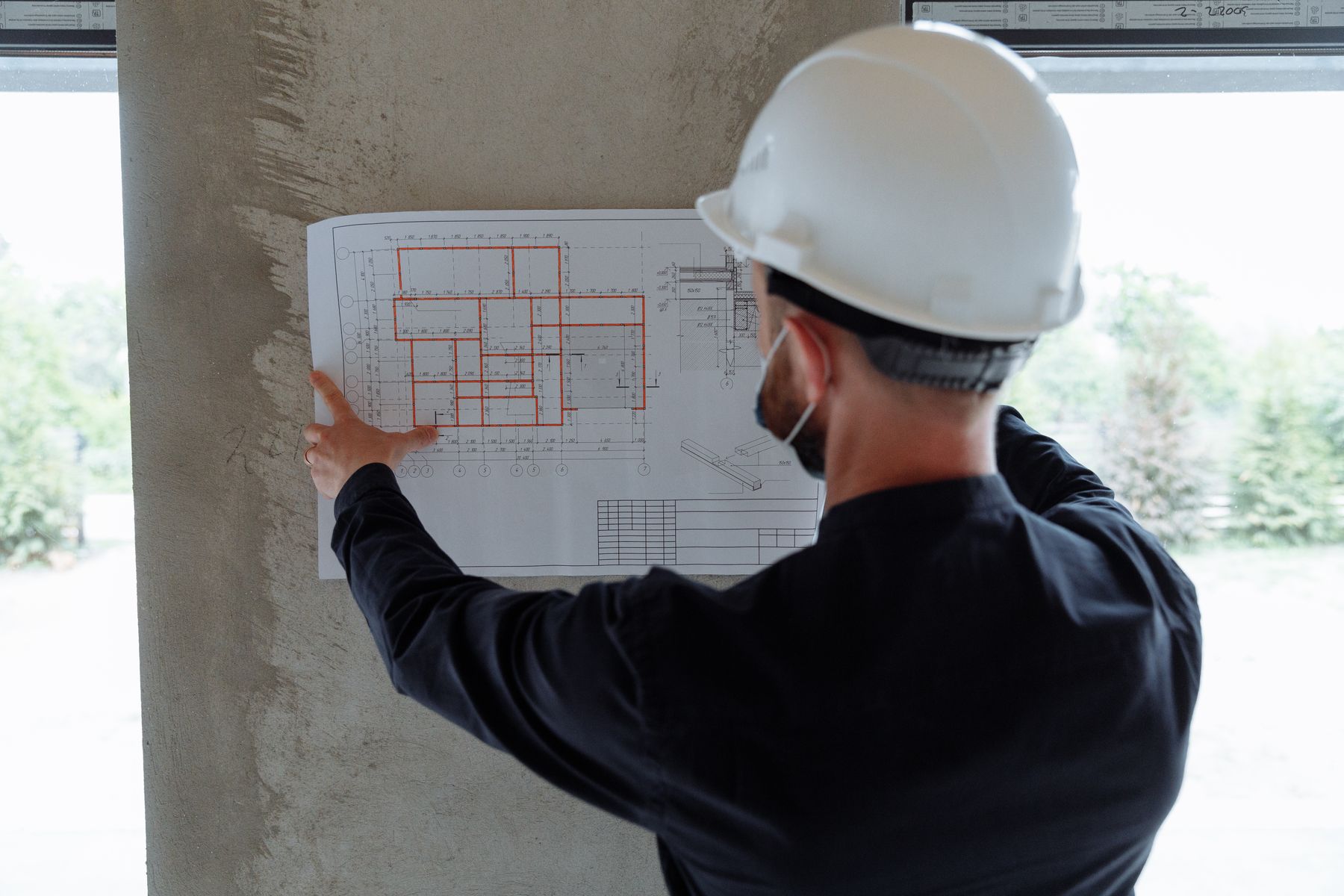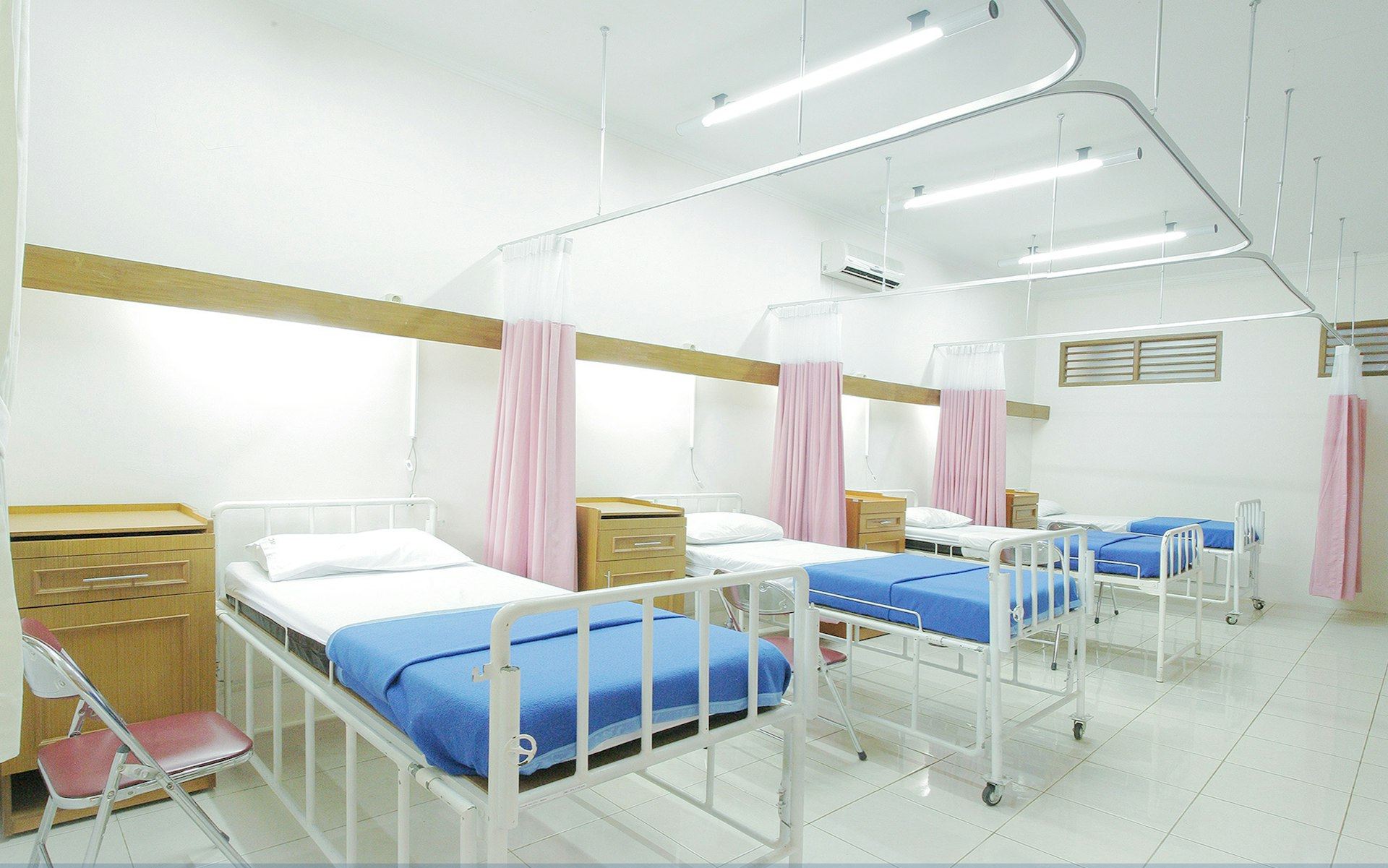

A data hall in production never closes for construction. Neither does a 24/7 watch floor, a grid control room or a hospital imaging suite. The systems on the other side of the wall cannot go down, and the people running them are measured on uptime. Building in that setting is a different trade. These are the five rules our mission-critical teams hold on every expansion, retrofit and tie-in, whatever the size of the job.
Rule one: nothing goes dark by surprise
Every shutdown, tie-in and switching operation on a live facility follows a written method of procedure, the MOP. It names the system, the loads affected, the redundancy in place, the sequence of steps, the people on site, the hold points and the way back if something goes wrong. The MOP is reviewed by the owner's facilities and operations teams and signed before work begins.
Most of our tie-ins happen in agreed maintenance windows, with the owner's operator standing beside our foreman. If a precondition is not met on the night, such as a generator not confirmed available or a redundant path not verified, the work does not start. A postponed tie-in costs a week. A dropped load costs the owner far more.
Rule two: protect the air, the floor and the room
Construction dust is a hazard to servers, sensitive electronics and clinical spaces alike. Before we open a ceiling or cut a wall, the work zone is sealed with hard-wall barriers floor to deck, held at negative pressure where the risk calls for it, and checked every shift. Raised floors are protected, debris moves on set routes at set times and every penetration is closed the day it is opened.
Vibration gets the same care. A core drill can travel through a concrete frame and rattle equipment two floors away. We map what sits above, below and beside the work, agree on thresholds with the owner and stop the moment they are reached.
Rule three: the owner's change calendar comes first
Live facilities run on change control. Product launches, peak seasons, audits and maintenance freezes all change what we can do and when. We hold weekly coordination with facilities, IT, security and operations, and we publish a two-week look-ahead in the language they use: which systems, which windows, what risk.
The schedule that matters most in a live facility is the operator's change calendar. We build ours around it, not the other way around.
Project executive, ScottHarry
Rule four: security is part of the site plan
Mission-critical owners control who enters, what they carry and where they go. We plan for that from the start: badging and escorts, separate construction entrances and routes, tool and media controls, and daily reconciliation of who was on site. Low-voltage, security and owner vendors work under the same orientation and the same rules as our own crews. Nobody arrives at the door unannounced.
Rule five: commission the change, not just the new equipment
A new UPS or chiller tied into a live plant changes the whole system. So our commissioning plan tests the interfaces as well as the equipment: transfers between old and new, alarms reaching the existing monitoring system, controls sequences that now include both. The owner's operators take part in the testing, and the updated SOPs and emergency procedures are in their hands before we leave the room.
None of these rules is complicated. What makes them hard is holding them every shift, for the life of the project, with crews who are also trying to make production. That discipline is the job. It is why technology-dependent owners let us back inside.